Running Gear Overview: Explore Essential Apparel, Shoes, and Accessories
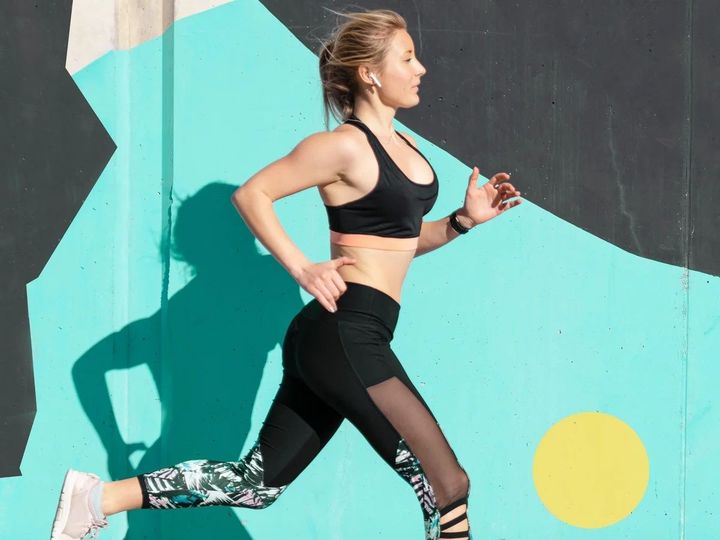
Running gear refers to the clothing, footwear, wearable technology, and accessories used for walking, jogging, road running, trail running, track activities, and endurance events.
The category has developed from basic athletic clothing and simple footwear into a broad range of running equipment designed around comfort, movement, environmental conditions, training data, and individual running needs.
Running shoes remain one of the central parts of running gear. Modern options include performance running shoes, trail running gear, professional running shoes, running insoles, running orthotics, and footwear incorporating different cushioning and support structures. Alongside footwear, running apparel can include shirts, shorts, tights, jackets, socks, caps, and weather-specific clothing.
Technology has also become part of modern athletic running gear. Running watches, GPS running watches, running heart rate monitors, and running fitness trackers can record information such as distance, pace, heart rate, elevation, and activity duration. These devices form part of a wider category of wearable running technology and sports performance technology.
Importance
Supporting Different Running Activities
People use different types of running equipment depending on their activity. A short road run may require lightweight clothing, suitable running shoes, and a basic activity tracker, while a long-distance event may involve hydration systems, weather protection, nutrition storage, and additional accessories.
Trail runners may require trail running gear with footwear designed around uneven surfaces and changing terrain. Marathon runners can use marathon running gear that combines lightweight clothing, running hydration systems, wearable technology, and equipment suited to prolonged activity.
Comfort and Movement
Running clothing is designed around repeated movement, moisture management, temperature regulation, and freedom of movement. Materials can vary according to climate and activity, with lighter fabrics commonly used in warmer conditions and layered clothing used when temperatures are lower.
Footwear also influences how the foot interacts with the ground. Features such as cushioning, heel-to-toe geometry, outsole patterns, upper construction, and fit can vary between running shoe models. Running shoe technology has therefore become an important part of athletic footwear technology.
Training and Performance Data
Wearable devices can provide information that helps runners understand their activity. A GPS running watch may record route distance and pace, while a running heart rate monitor can record heart-rate information during exercise.
These tools are part of running performance equipment and running training equipment. Their measurements can help users review training patterns, although readings may vary according to device design, placement, environmental conditions, and individual characteristics.
Recent Updates
Growth of Connected Running Equipment
From 2024 through 2026, running equipment has continued to incorporate digital features. Smart running watches and running fitness trackers increasingly combine GPS functions, heart-rate measurements, training summaries, sleep-related information, and activity tracking within connected platforms.
The broader movement toward wearable running technology has also encouraged greater integration between watches, smartphones, training applications, and other devices. This creates running performance systems in which data from several sources can be reviewed together.
Changes in Running Footwear
Running shoe technology continues to develop through changes in foam compounds, midsole structures, upper materials, and outsole designs. Different shoe constructions are used for road running, trail running, racing, daily training, and other activities.
The availability of professional sports footwear standards in India has also expanded the formal classification of sports footwear. The Bureau of Indian Standards lists standards for general-purpose sports footwear, performance sports footwear, and professional sports footwear.
Greater Attention to Individual Fit
Running gait analysis, foot measurements, and assessments of movement are increasingly discussed when selecting running footwear. These approaches can provide information about how a runner moves, but they do not automatically determine a particular shoe or insole for every person.
Custom running shoes, running orthotics, and running insoles remain specialized categories. Their suitability depends on factors such as foot shape, activity, comfort, previous footwear experience, and individual movement patterns.
Laws or Policies
Footwear Standards in India
In India, footwear products can be affected by Bureau of Indian Standards requirements and Quality Control Orders. The applicable requirements depend on the type of footwear and the materials used.
BIS currently lists relevant footwear standards, including IS 15844 Part 1 for sports footwear for general purposes, IS 15844 Part 2 for performance sports footwear, and IS 15844 Part 3 for professional sports footwear. Footwear covered by applicable Quality Control Orders may need the required Standard Mark and conformity with the relevant Indian Standard.
Consumer Information
Consumer-facing information for packaged products in India is also shaped by the Legal Metrology framework. The Legal Metrology (Packaged Commodities) Rules, together with subsequent amendments, establish requirements concerning declarations and information on specified packaged goods.
Consumer protection rules also address misleading advertisements and endorsements. The Department of Consumer Affairs lists the Consumer Protection (E-Commerce) Rules, 2020 and the Guidelines for Prevention of Misleading Advertisements and Endorsements, 2022 among the applicable consumer protection framework.
For running gear manufacturers, importers, distributors, and retailers, the exact compliance requirements depend on the product category, materials, packaging, claims, and applicable regulations.
Tools and Resources
Running Watches and Trackers
GPS running watches can record route distance, pace, elevation, and other activity measurements. Running heart rate monitors can provide additional physiological data, while smart running watches may combine several functions into one device.
Footwear Assessment Tools
Running gait analysis can examine aspects of movement while walking or running. Foot-measurement tools can also help identify differences in foot length and width. These tools provide information rather than a universal formula for selecting footwear.
Training Platforms
Digital running platforms can organize training sessions, record workouts, display activity history, and integrate data from wearable devices. Some platforms also provide calculators for pace, distance, elapsed time, and training zones.
Equipment Reference Resources
Manufacturers, standards organizations, athletic research publications, and sports medicine resources can provide technical information about footwear construction, materials, equipment testing, and training technology. For products governed by Indian standards, the Bureau of Indian Standards is a relevant regulatory reference.
| Running Gear Category | Common Purpose | Examples |
|---|---|---|
| Running footwear | Foot-ground interaction | Road shoes, trail shoes, racing shoes |
| Running apparel | Movement and weather management | Shirts, shorts, tights, jackets |
| Hydration equipment | Carrying fluids during activity | Handheld bottles, belts, hydration packs |
| Wearable technology | Activity measurement | GPS watches, fitness trackers |
| Foot-support equipment | Fit and foot support | Insoles, orthotics |
| Recovery equipment | Post-training routines | Compression clothing, mobility tools |
| Safety accessories | Visibility and awareness | Reflective clothing, lights |
FAQs
What is included in running gear?
Running gear generally includes running shoes, running apparel, hydration equipment, accessories, wearable technology, and selected training or recovery equipment. The specific combination depends on the distance, terrain, climate, and type of running activity.
How do running shoes differ from regular athletic footwear?
Running shoes are designed specifically around the repeated movement involved in running. Differences can include cushioning, outsole design, upper construction, flexibility, weight, and overall geometry.
What are GPS running watches used for?
GPS running watches can record information such as route, distance, pace, elevation, and elapsed time. Some models also integrate heart-rate data, training summaries, and other fitness measurements.
Is trail running gear different from road running gear?
Yes. Trail running gear often considers uneven surfaces, loose ground, weather changes, and exposure to outdoor terrain. Trail footwear may use outsole patterns and construction intended for greater traction on natural surfaces.
What is running gait analysis?
Running gait analysis examines aspects of a person's movement while walking or running. It may consider foot movement, stride characteristics, and interaction with the ground, but its findings should be interpreted within the wider context of comfort, activity, and individual needs.
Conclusion
Running gear now covers a broad range of footwear, apparel, accessories, hydration equipment, and wearable technology. Running shoes, running clothing, GPS running watches, and running performance equipment serve different purposes depending on activity, terrain, distance, and environmental conditions. Recent developments have increased the use of connected devices, specialized footwear materials, and structured sports footwear standards. In India, applicable BIS requirements and consumer protection rules also influence how certain footwear and related products are manufactured, labeled, and presented.