Mass Production Manufacturing Insights: Trends, Challenges, and Opportunities
Mass production manufacturing is a method of producing large quantities of goods through standardized processes and organized production systems.
It emerged during the Industrial Revolution when manufacturers sought ways to create products more efficiently and consistently. Over time, advancements in machinery, transportation, and technology transformed production methods, allowing industries to manufacture products on a much larger scale.
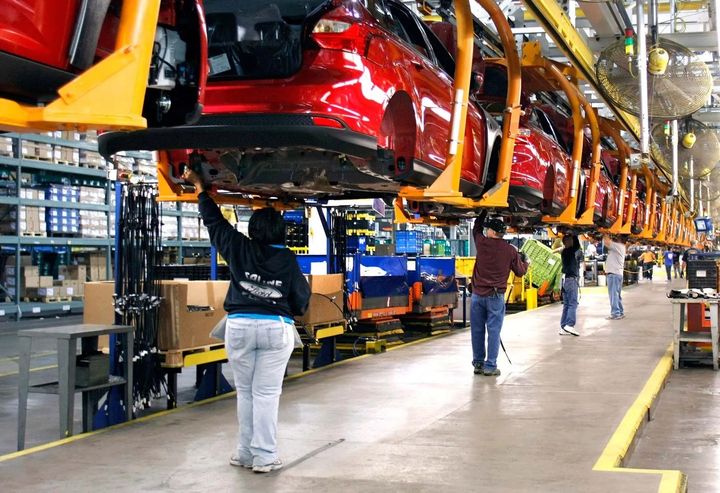
Today, mass production manufacturing plays an important role across many sectors, including automotive, electronics, consumer goods, healthcare equipment, and industrial products. The approach relies on production line manufacturing, specialized equipment, and coordinated workflows to produce identical items in large volumes.
Large scale manufacturing has evolved significantly from traditional assembly lines. Modern facilities increasingly use manufacturing automation solutions, digital monitoring systems, and intelligent production systems to improve efficiency and maintain product consistency. As industries continue to modernize, many organizations combine traditional production techniques with advanced technologies to address changing market requirements.
Contract manufacturing services and OEM manufacturing services also contribute to the global manufacturing ecosystem. These arrangements allow companies to work with specialized manufacturers that possess production capabilities and technical expertise for specific product categories.
Importance
Mass production manufacturing affects daily life in ways many people may not immediately recognize. From household appliances and medical devices to vehicles and electronic products, many commonly used items are produced through high volume manufacturing processes.
Supporting Product Availability
One of the primary functions of mass production is maintaining a steady supply of products. By producing goods in large quantities, manufacturers can meet consumer demand while maintaining consistent specifications and quality standards.
Encouraging Efficiency
Production line manufacturing helps streamline manufacturing activities by organizing tasks into structured sequences. This approach reduces unnecessary delays and allows facilities to operate more effectively.
Advancing Technology Adoption
The growth of smart manufacturing solutions has encouraged industries to adopt modern technologies such as sensors, robotics, data analytics, and connected equipment. These technologies help manufacturers monitor production performance and identify operational improvements.
Supporting Economic Activity
Industrial manufacturing solutions contribute to economic development by supporting supply chains, infrastructure projects, transportation systems, and industrial growth. Manufacturing facilities often work with suppliers, logistics providers, and technology partners to maintain production operations.
Addressing Operational Challenges
Modern manufacturers face challenges related to material availability, workforce skills, energy usage, and changing customer expectations. Manufacturing automation solutions and digital manufacturing platforms are increasingly used to address these challenges while improving operational visibility.
Recent Updates
Manufacturing continues to evolve as industries adopt new technologies and operational strategies. Several notable trends have influenced the sector in recent years.
Expansion of Smart Manufacturing
Many facilities are implementing smart manufacturing solutions that combine connected equipment, real-time monitoring, and data-driven decision-making. These systems provide greater visibility into production activities and equipment performance.
Increased Use of Automation
Factory automation systems are becoming more common across manufacturing environments. Automated equipment can perform repetitive tasks, assist with material handling, and support quality inspections. Automation is often integrated alongside human workers rather than completely replacing them.
Growth of Digital Manufacturing Platforms
Digital manufacturing platforms allow organizations to manage production data, inventory information, maintenance schedules, and operational workflows through centralized systems. These platforms help improve coordination between different departments and facilities.
Focus on Supply Chain Resilience
Manufacturers have placed greater emphasis on building resilient supply chains. This includes diversifying suppliers, improving inventory visibility, and strengthening risk management practices to reduce disruptions.
Adoption of Data Analytics
Many organizations are using data analytics tools to understand production trends and identify areas for manufacturing cost reduction. By analyzing operational information, manufacturers can make more informed decisions regarding equipment usage and production planning.
Sustainability Considerations
Environmental considerations continue to influence manufacturing strategies. Many facilities are exploring methods to reduce waste, improve energy efficiency, and optimize resource utilization throughout production processes.
Comparison of Traditional and Modern Manufacturing Approaches
| Feature | Traditional Manufacturing | Modern Manufacturing |
|---|---|---|
| Monitoring | Manual inspections | Real-time monitoring |
| Equipment | Standalone machines | Connected systems |
| Data Usage | Limited records | Data-driven analysis |
| Maintenance | Scheduled maintenance | Predictive maintenance |
| Production Planning | Manual planning | Digital planning tools |
| Quality Control | End-stage inspection | Continuous monitoring |
| Automation Level | Lower automation | Increased automation |
Laws or Policies
Manufacturing activities are influenced by various regulations and policy frameworks. While specific requirements vary by country, several common areas shape manufacturing operations.
Workplace Safety Regulations
Governments typically establish workplace safety standards designed to protect employees working in manufacturing environments. These regulations may cover equipment operation, protective gear, emergency procedures, and facility maintenance.
Environmental Requirements
Manufacturers often must comply with environmental regulations related to emissions, waste management, water usage, and energy consumption. These rules aim to reduce environmental impact while supporting sustainable industrial practices.
Product Quality Standards
Many industries operate under product quality and compliance standards that help ensure manufactured goods meet established safety and performance requirements. Certification processes may vary depending on the product category.
Data and Cybersecurity Requirements
As digital manufacturing platforms become more common, organizations increasingly face requirements related to cybersecurity, data protection, and information security. Protecting operational technology systems has become an important aspect of modern manufacturing.
Industrial Development Programs
Many governments support industrial modernization through manufacturing initiatives, technology adoption programs, infrastructure development, and research activities. These efforts often encourage innovation and productivity improvements across manufacturing sectors.
Tools and Resources
Various tools and resources help organizations manage manufacturing activities more effectively.
Manufacturing Execution Systems
Manufacturing execution systems track production activities, monitor equipment performance, and provide visibility into factory operations. These systems often serve as a bridge between production equipment and business management software.
Enterprise Resource Planning Platforms
Enterprise resource planning platforms help coordinate inventory, procurement, production scheduling, and operational data. They support communication between different business functions.
Production Planning Software
Production planning tools assist manufacturers in scheduling production runs, allocating resources, and managing workflow requirements. These platforms help improve operational coordination.
Quality Management Systems
Quality management systems help organizations document procedures, monitor compliance, and track quality-related information throughout the manufacturing process.
Factory Automation Systems
Factory automation systems include robotics, programmable controllers, automated inspection equipment, and machine monitoring technologies. These tools support efficient production operations and process consistency.
Digital Manufacturing Platforms
Digital manufacturing platforms provide centralized access to production information, maintenance records, operational metrics, and performance dashboards. They support data-driven decision-making across manufacturing facilities.
Useful Manufacturing Resources
Common resources used by manufacturers include:
- Industry standards organizations
- Manufacturing benchmarking databases
- Equipment maintenance planning tools
- Production efficiency calculators
- Supply chain management platforms
- Workforce training portals
- Industrial cybersecurity guidance materials
- Quality documentation templates
FAQs
What is mass production manufacturing?
Mass production manufacturing is a production method that creates large quantities of standardized products using organized processes, specialized equipment, and production line manufacturing techniques.
How do smart manufacturing solutions improve production?
Smart manufacturing solutions use connected technologies, sensors, and data analytics to monitor operations, improve visibility, and support informed decision-making throughout manufacturing processes.
What is the difference between OEM manufacturing services and contract manufacturing services?
OEM manufacturing services typically involve producing products according to specifications associated with an original equipment manufacturer, while contract manufacturing services involve manufacturing products under agreed production arrangements for another company.
Why are factory automation systems becoming more common?
Factory automation systems help manufacturers manage repetitive tasks, improve process consistency, enhance monitoring capabilities, and support efficient production operations.
How do digital manufacturing platforms support high volume manufacturing?
Digital manufacturing platforms centralize production information, operational data, inventory records, and performance metrics. This allows organizations engaged in high volume manufacturing to monitor activities more effectively and coordinate production workflows.
Conclusion
Mass production manufacturing remains a fundamental part of modern industry, supporting the production of goods used across many sectors. Technological advancements such as smart manufacturing solutions, digital manufacturing platforms, and factory automation systems continue to shape manufacturing operations. Organizations increasingly focus on efficiency, resilience, sustainability, and data-driven decision-making. As manufacturing evolves, intelligent production systems and modern industrial manufacturing solutions are expected to remain important components of the global production landscape.