Explore Small Space Living: Smart Ideas, Tips & Expert Insights
Living in a small home does not mean you have to sacrifice comfort, style, or functionality.
With thoughtful planning, the right furniture, and smart organization strategies, even a compact apartment, studio, or tiny home can feel spacious and inviting.
As urban housing becomes more expensive and flexible living arrangements become increasingly popular, small space living has become an important home design and organization trend. From multifunctional furniture to clever storage solutions, there are countless ways to make better use of limited square footage.
This guide explores practical small space living ideas, interior design tips, storage solutions, furniture suggestions, and expert insights to help you create a home that feels larger, more organized, and easier to live in.
What Is Small Space Living?
Small space living is an approach to home design that focuses on maximizing functionality within a limited area. It can apply to:
- Studio apartments
- Small apartments
- Tiny homes
- Condos
- Guest rooms
- Small bedrooms
- Compact kitchens
- Home offices
- Urban homes
- Small rental properties
The goal is not simply to fit more belongings into a room. Instead, effective small-space design focuses on using every available area efficiently while maintaining comfort and visual balance.
Why Small Space Living Is Becoming More Popular
Several factors have contributed to growing interest in compact living.
Rising Housing Costs
In many cities, larger homes can be expensive to purchase or rent. A smaller property may provide an opportunity to reduce housing expenses while remaining close to desirable neighborhoods.
Urban Lifestyles
People living in densely populated areas often have less available floor space. Efficient interior design can help transform compact properties into comfortable homes.
Minimalist Living
Minimalism encourages people to focus on useful, meaningful possessions rather than accumulating unnecessary items.
Flexible Work and Living
Many homes now need to accommodate multiple functions, such as sleeping, working, exercising, dining, and relaxing. Multifunctional design can make these activities possible even in limited space.
1. Choose Multifunctional Furniture
One of the most effective small-space strategies is choosing furniture that performs more than one function.
Consider:
- Sofa beds
- Storage ottomans
- Extendable dining tables
- Folding desks
- Nesting tables
- Beds with drawers
- Convertible furniture
- Wall-mounted desks
- Benches with hidden storage
A piece of furniture that serves two purposes can eliminate the need for another item, freeing valuable floor space.
For example, an ottoman can function as seating, a footrest, and hidden storage.
2. Use Vertical Space
When floor space is limited, look upward.
Walls can provide valuable storage and display opportunities without taking up additional floor area.
Try:
- Tall bookshelves
- Floating shelves
- Wall-mounted cabinets
- Pegboards
- Vertical organizers
- Hanging storage
- Tall wardrobes
- Wall-mounted desks
Floor-to-ceiling storage can be especially useful because it takes advantage of space that might otherwise remain unused.
3. Create Hidden Storage
Visible clutter can make a small room feel even smaller.
Hidden storage helps keep everyday belongings organized while maintaining a cleaner visual appearance.
Useful options include:
- Under-bed storage
- Storage benches
- Ottoman compartments
- Built-in cabinets
- Furniture with drawers
- Bedside storage
- Over-door organizers
When selecting furniture, look for opportunities to combine everyday functionality with additional storage.
4. Declutter Before You Organize
Buying more organizers is not always the answer.
Before purchasing storage products, evaluate what you actually need.
Ask:
Do I use this regularly?
Does this item have a specific purpose?
Would I replace it if I lost it?
Is it taking up valuable space without providing enough value?
Decluttering can create more usable space without requiring renovations or expensive furniture.
5. Make Your Small Bedroom Work Harder
Bedrooms often need to accommodate a bed, clothing, storage, lighting, and sometimes a workspace.
To maximize a small bedroom:
- Choose furniture with built-in storage
- Use under-bed space
- Install floating shelves
- Use a narrow bedside table
- Consider wall-mounted lighting
- Use vertical wardrobes
- Keep pathways clear
- Avoid oversized furniture
The bed is typically the largest piece of furniture, so selecting one with integrated storage can significantly improve organization.
6. Optimize a Small Kitchen
A compact kitchen can become difficult to use when countertops and cabinets are overloaded.
Make use of:
- Wall-mounted racks
- Magnetic storage
- Cabinet organizers
- Pull-out drawers
- Vertical shelves
- Hanging utensil racks
- Over-cabinet storage
- Multi-purpose cookware
Keep frequently used items within easy reach and reserve less accessible storage for things you use occasionally.
7. Design a Flexible Home Office
A dedicated office is not always possible in a compact home.
A small workspace can be created with:
- Folding desks
- Wall-mounted desks
- Narrow consoles
- Floating shelves
- Compact office chairs
- Vertical filing solutions
- Cable-management systems
A workspace that can be folded away or repurposed after work can be particularly useful in studio apartments.
8. Use Mirrors Strategically
Mirrors can make a room appear brighter and visually larger by reflecting light and creating a greater sense of depth.
Consider placing a mirror:
- Opposite a window
- Near a light source
- On a wardrobe door
- Behind a console
- On a large wall
The goal is not to cover every wall with mirrors. Instead, use them intentionally to enhance natural light and visual openness.
9. Improve Natural Light
A bright room generally feels more open than a dark room.
To maximize natural light:
- Keep windows unobstructed
- Use lightweight curtains
- Avoid placing tall furniture directly in front of windows
- Use reflective surfaces strategically
- Choose lighter finishes where appropriate
Layered lighting can also help after sunset.
Use a combination of ceiling lights, task lighting, and accent lighting rather than relying on a single fixture.
10. Create Zones Without Building Walls
Open-plan spaces can become difficult to organize when everything happens in one room.
Instead of adding permanent walls, define different zones using:
- Area rugs
- Open shelving
- Curtains
- Furniture placement
- Lighting
- Folding screens
- Different wall treatments
For example, a rug can visually define a living area while a desk and task light establish a separate work zone.
Smart Small Space Living Ideas for Renters
Renters may not be able to make major structural changes, but they can still improve functionality.
Consider:
- Removable hooks
- Freestanding shelves
- Tension rods
- Furniture with storage
- Temporary room dividers
- Peel-and-stick design solutions
- Over-door organizers
- Portable kitchen storage
Choose solutions that can be removed without causing significant damage to the property.
Small Bathroom Storage Tips
Bathrooms often have surprisingly limited storage.
Make use of:
- Over-the-toilet shelving
- Wall-mounted organizers
- Shower caddies
- Vanity drawers
- Door-mounted storage
- Narrow cabinets
- Corner shelves
Keep countertops as clear as possible. A small bathroom can look significantly more spacious when frequently used products have designated storage locations.
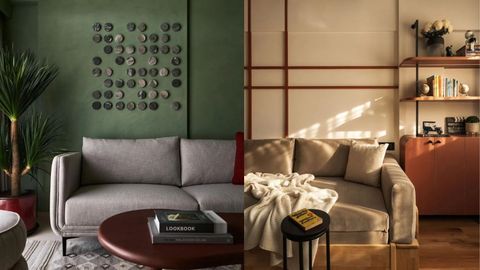
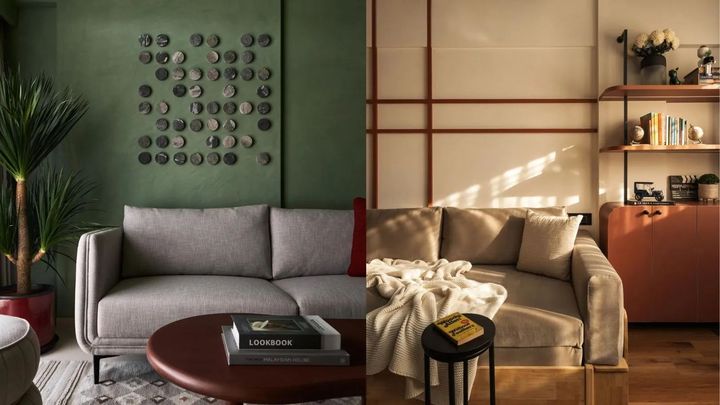
Color and Design Tips for Small Spaces
Color can influence how spacious a room feels, although there is no requirement to use only white.
Consider:
- Light neutral walls
- Consistent flooring
- Similar tones between walls and large furniture
- Limited visual clutter
- Strategic accent colors
- Reflective finishes
Using a consistent palette can create visual continuity between different areas.
However, adding darker or richer colors strategically can create personality without necessarily making the room feel smaller.
Choose Furniture Based on Scale
One of the most common small-space design mistakes is purchasing furniture that is too large.
Before buying a sofa, bed, dining table, or wardrobe, measure:
- The available floor area
- Doorways
- Hallways
- Staircases or elevators
- Required walking space
- Existing furniture
A beautiful piece of furniture is not useful if it prevents doors from opening or blocks important pathways.
Small Space Living on a Budget
You do not need a complete home renovation to improve a compact space.
Start with inexpensive changes:
- Declutter unused items
- Rearrange furniture
- Add floating shelves
- Use baskets
- Install hooks
- Improve lighting
- Add under-bed storage
- Reorganize kitchen cabinets
- Use vertical storage
- Replace bulky furniture with multifunctional alternatives
Often, the biggest improvements come from changing how existing space is used rather than spending heavily on new products.
Common Small Space Mistakes to Avoid
Buying Too Much Furniture
More furniture does not necessarily make a home more functional.
Ignoring Vertical Space
Unused wall space represents lost storage potential.
Overfilling Every Surface
Keeping every shelf and tabletop full can create visual clutter.
Choosing Furniture Without Measuring
Always measure before purchasing.
Creating Too Many Storage Containers
Storage should simplify organization rather than create additional clutter.
Ignoring Lighting
Poor lighting can make a compact space feel darker and smaller.
Small Space Living for Families
Small homes can work for families when each area has a clear purpose.
Use:
- Modular furniture
- Vertical storage
- Shared storage zones
- Foldable furniture
- Under-bed storage
- Wall-mounted organizers
- Flexible sleeping arrangements
Encourage everyone to maintain designated spaces for personal belongings.
Small Space Living for Remote Workers
Working from home in a compact property requires careful zoning.
A foldable desk can disappear when the workday ends. Alternatively, a small corner of a living room can become a permanent workspace using a compact desk and vertical storage.
Cable management is particularly important because tangled cables can quickly make a small workspace appear cluttered.
How to Make a Small Home Feel Bigger
A few design principles can create a stronger sense of space:
- Keep pathways open
- Reduce visual clutter
- Use multifunctional furniture
- Maximize natural light
- Use vertical storage
- Select appropriately scaled furniture
- Create defined zones
- Maintain visual consistency
- Use mirrors strategically
- Keep frequently used items organized
The goal is not to make the property physically larger. It is to make the available space feel more usable and intentional.
A Simple Small Space Transformation Plan
If you are unsure where to begin, follow this sequence.
Step 1: Measure
Measure the room and identify doors, windows, outlets, and existing furniture.
Step 2: Declutter
Remove items you no longer use.
Step 3: Identify Problems
Determine where the biggest issues are: storage, furniture, lighting, layout, or organization.
Step 4: Prioritize Multifunctionality
Replace single-purpose furniture where practical.
Step 5: Use Vertical Space
Add shelves, cabinets, hooks, and wall-mounted solutions.
Step 6: Improve Lighting
Maximize natural light and add layered artificial lighting.
Step 7: Create Zones
Give each part of the room a clear purpose.
Step 8: Maintain the System
Small homes can quickly become cluttered again, so regularly review belongings and storage.
Final Thoughts
Small space living is not simply about having fewer square feet. It is about making every part of your home work harder.
Whether you live in a studio apartment, compact condo, tiny home, or small family property, smart furniture, vertical storage, thoughtful organization, and strategic lighting can dramatically improve everyday functionality.
Start with the simplest changes first. Declutter what you do not need, measure your space, identify unused areas, and introduce multifunctional solutions where they provide genuine value.
A small home does not have to feel cramped. With the right small space living ideas, interior design strategies, storage solutions, and organization tips, even a compact home can become comfortable, stylish, and highly functional.