Discover Blood Analyzers: Key Technologies and Modern Laboratory Solutions
Blood analyzers play an important role in modern healthcare by helping laboratories examine blood samples quickly and consistently.
From a routine health check to the investigation of medical conditions, these systems assist healthcare professionals by providing valuable laboratory information. Today, blood analyzers have become a standard part of many hospitals, clinics, and diagnostic laboratories around the world.
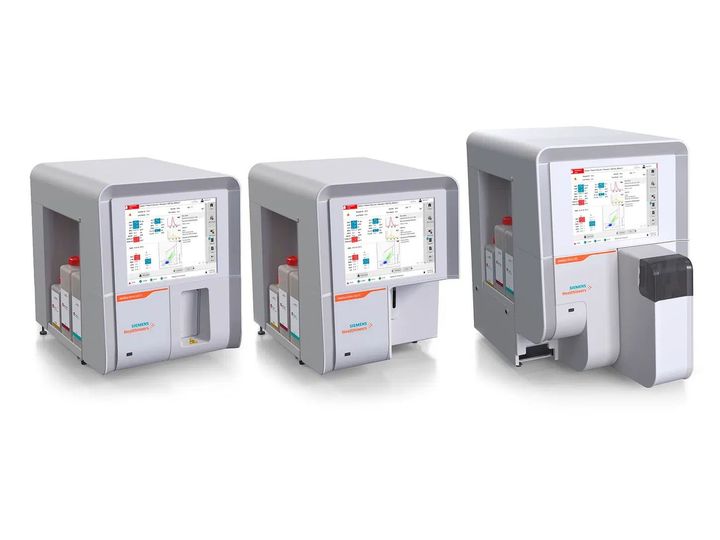
A modern blood analyzer may include different technologies depending on its purpose. A hematology analyzer focuses on blood cell counts, while a blood chemistry analyzer measures chemical substances in blood samples. Other systems, such as an immunohematology analyzer, support blood compatibility testing. Together, these instruments form part of a larger group of clinical laboratory equipment and laboratory diagnostic equipment that supports medical decision-making.
Context
Understanding Blood Analyzers
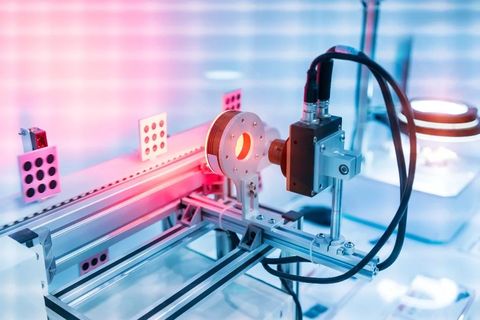
Blood analyzers are laboratory instruments designed to examine blood samples using automated measurement techniques. Instead of relying entirely on manual laboratory procedures, an automated blood analyzer processes samples through built-in sensors, optical systems, electronic detectors, and computer software.
The development of laboratory blood analyzer technology has gradually improved the speed and consistency of laboratory workflows. Earlier laboratory testing depended heavily on manual observation, while modern medical laboratory analyzer systems combine automation with digital data management.
Different Types of Blood Analyzers
Different laboratory tasks require different analyzer types. Common examples include:
- Hematology analyzer for measuring red blood cells, white blood cells, platelets, and hemoglobin.
- Blood chemistry analyzer for evaluating glucose, enzymes, proteins, and electrolytes.
- Clinical blood analyzer used in hospitals and diagnostic laboratories for multiple laboratory applications.
- Automated hematology analyzer designed to process numerous blood samples with minimal manual handling.
- Immunohematology analyzer used for blood grouping and compatibility testing.
- Clinical chemistry analyzer for analyzing chemical components found in blood.
Each instrument forms part of broader blood testing equipment used across healthcare facilities.
Main Components
Although designs vary, many analyzers include similar components:
| Component | Purpose |
|---|---|
| Sample handling unit | Receives and prepares blood samples |
| Optical sensors | Detect light-based measurement signals |
| Fluid systems | Move samples and laboratory reagents through the analyzer |
| Electronic detectors | Convert signals into measurable data |
| Computer software | Processes results and generates laboratory reports |
| Display interface | Allows laboratory personnel to review information |
Importance
Supporting Medical Laboratory Work
Laboratory testing provides information that healthcare professionals use alongside physical examinations and medical history. Blood analyzers assist laboratories by producing standardized measurements that help reduce manual calculation and repetitive handling.
Clinical laboratory equipment also improves laboratory organization by allowing multiple tests to be processed within structured workflows.
Improving Laboratory Efficiency
Automation has changed how laboratories manage increasing testing volumes. An automated blood analyzer can examine many samples consecutively, helping laboratories organize routine testing more effectively.
Some advantages of automated systems include:
- Consistent measurement procedures
- Faster processing of multiple samples
- Reduced manual handling
- Digital recording of laboratory information
- Integration with laboratory information systems
These features support laboratory efficiency while maintaining standardized testing procedures.
Helping Different Healthcare Settings
Blood analyzers are used across many healthcare environments, including:
- Hospitals
- Community diagnostic laboratories
- Medical research centers
- Public health laboratories
- Emergency care facilities
- Educational institutions for laboratory training
The type of analyzer selected usually depends on laboratory size, testing requirements, and available infrastructure.
Supporting Multiple Laboratory Disciplines
Modern laboratory diagnostic equipment supports many areas of laboratory medicine.
Examples include:
- Hematology for blood cell evaluation
- Clinical chemistry for chemical analysis
- Immunohematology for blood compatibility testing
- General diagnostic laboratory testing
- Health screening programs
This variety allows laboratories to perform different categories of blood analysis using specialized instruments.
Recent Updates
Greater Laboratory Automation
Recent developments between 2024 and 2026 continue to focus on expanding laboratory automation. Manufacturers have introduced systems capable of handling higher sample volumes while reducing manual intervention during routine laboratory processes.
Automation also supports improved sample tracking throughout the testing workflow.
Artificial Intelligence and Data Analysis
Some newer medical laboratory analyzer systems include software that assists laboratory professionals by identifying unusual patterns requiring additional review. These analytical features are designed to support laboratory workflows rather than replace professional interpretation.
Artificial intelligence is mainly being used to organize laboratory information, monitor analyzer performance, and improve quality control processes.
Better Digital Connectivity
Many clinical blood analyzer platforms now connect directly with hospital information systems and laboratory information management software. This integration reduces manual data entry and helps laboratories organize patient records more efficiently.
Digital connectivity also assists laboratories in maintaining electronic documentation for quality management.
Compact Laboratory Equipment
Another continuing trend is the development of more compact blood testing equipment suitable for laboratories with limited space. These systems often combine several laboratory functions into a smaller footprint while maintaining standardized testing capabilities.
Sustainability Considerations
Manufacturers have also focused on reducing resource consumption through improved fluid management, energy-efficient operation, and optimized maintenance schedules. Laboratories increasingly consider environmental factors when selecting laboratory equipment.
Laws or Policies
Laboratory Quality Standards
Many countries regulate laboratory diagnostic equipment through national health authorities. Before clinical laboratory equipment is used in patient testing, it generally undergoes evaluation to confirm compliance with applicable safety and performance requirements.
Laboratories typically follow quality management systems that include equipment maintenance, calibration, documentation, and staff competency.
Medical Device Regulations
Blood analyzers are generally classified as medical devices. Manufacturers must comply with regulatory frameworks established by national or regional authorities before equipment enters healthcare environments.
Examples include requirements for:
- Product safety
- Performance evaluation
- Manufacturing quality systems
- Technical documentation
- Post-market monitoring
Specific regulatory processes differ between countries.
Laboratory Accreditation
Many medical laboratories voluntarily participate in accreditation programs based on internationally recognized laboratory standards. Accreditation focuses on laboratory quality management rather than individual analyzer models.
Areas commonly reviewed include:
- Equipment maintenance
- Staff training
- Sample handling procedures
- Quality assurance
- Record management
Data Protection
Since blood testing generates personal medical information, laboratories generally follow national privacy regulations governing patient records. Digital laboratory systems often include controlled user access, electronic documentation, and secure information storage.
Tools and Resources
Laboratory Information Management Systems
A Laboratory Information Management System (LIMS) helps laboratories organize sample tracking, testing workflows, result reporting, and record management. Many automated blood analyzer platforms communicate directly with these systems.
Quality Control Software
Quality control software monitors analyzer performance by comparing routine control measurements with established laboratory ranges. This supports consistent laboratory operations and assists with identifying unusual instrument behavior.
Calibration and Maintenance Records
Laboratories often use digital maintenance logs to document:
- Calibration activities
- Preventive maintenance
- Instrument inspections
- Quality control reviews
- Equipment performance history
Accurate documentation supports long-term laboratory management.
Educational Resources
Healthcare professionals frequently use educational materials provided through:
- Medical universities
- Professional laboratory organizations
- Government health agencies
- Clinical laboratory training programs
- Continuing laboratory education platforms
These resources explain laboratory methods, equipment operation, and quality management practices.
FAQs
What is a blood analyzer?
A blood analyzer is laboratory equipment designed to examine blood samples using automated measurement systems. Different analyzers evaluate blood cells, chemical substances, or blood compatibility depending on their intended laboratory purpose.
What is the difference between a hematology analyzer and a blood chemistry analyzer?
A hematology analyzer measures blood cells such as red blood cells, white blood cells, and platelets. A blood chemistry analyzer evaluates chemical components including glucose, proteins, enzymes, and electrolytes found in blood samples.
How does an automated blood analyzer improve laboratory work?
An automated blood analyzer processes samples using programmed laboratory procedures. Automation supports standardized testing workflows, reduces manual handling, improves digital record management, and helps laboratories process multiple samples efficiently.
What is an immunohematology analyzer used for?
An immunohematology analyzer assists laboratories with blood grouping, compatibility testing, antibody screening, and related blood bank procedures that support transfusion practices.
What types of facilities use clinical laboratory equipment?
Clinical laboratory equipment is commonly found in hospitals, diagnostic laboratories, medical research institutions, public health laboratories, educational facilities, and specialized testing centers that perform blood analysis.
Conclusion
Blood analyzers have become an essential part of modern laboratory medicine by supporting accurate and organized blood testing processes. Different instruments, including hematology analyzers, clinical chemistry analyzers, and immunohematology analyzers, each perform specialized laboratory functions. Continued improvements in automation, digital connectivity, and laboratory management technologies are shaping how blood testing equipment operates. Together, these developments contribute to more efficient laboratory workflows while supporting standardized diagnostic practices.