Chelating Agents Overview: How They Work and Why They Matter
Chelating agents are chemicals that bind with metal ions and form stable structures known as chelates.
The term comes from a Greek word associated with a claw because a chelating agent can attach to a metal ion at several points, much like a claw holding an object. This chemical behavior makes chelating agents useful in water treatment, industrial processing, cleaning formulations, agriculture, manufacturing, and laboratory applications.
In simple terms, a metal ion such as calcium, magnesium, iron, copper, or zinc can interfere with a chemical process. A chelating agent surrounds or binds the metal ion and reduces its ability to react with other substances. This can help control unwanted deposits, discoloration, chemical reactions, and changes in product quality.
Industrial chelating agents are used in applications where metal control is important. Water treatment chelating agents, for example, can help manage dissolved metals in process water and wastewater. Metal chelating agents are also used in detergents, pulp and paper production, textile processing, food-related processes, agriculture, and industrial cleaning.
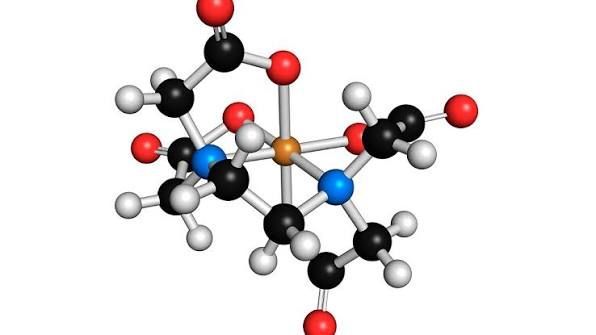
One widely recognized example is an EDTA chelating agent. EDTA, or ethylenediaminetetraacetic acid, can bind several metal ions and is used in a range of industrial and laboratory applications. Other types include citrate-based compounds, phosphonates, aminopolycarboxylates, and newer biodegradable chelating agents designed with environmental considerations in mind.
Chelating agents are not the same as scale inhibitor chemicals, although the two can sometimes be used within the same water treatment program. A chelating agent primarily binds metal ions, while a scale inhibitor is generally designed to interfere with the formation or growth of mineral deposits.
Importance
Chelating agents matter because metal ions are present in many natural and industrial environments. Water, raw materials, machinery, cleaning solutions, and manufacturing processes can all contain dissolved metals. When these metals react with other substances, they may create deposits or interfere with chemical performance.
In industrial water treatment solutions, controlling metals can help manage problems associated with iron, copper, calcium, magnesium, and other ions. Similar principles apply to boiler water treatment chemicals and cooling tower chemicals, where water chemistry must be managed to reduce deposits, corrosion-related problems, and process disturbances.
The importance of chelation can be seen in several areas:
- Water treatment: Chelating compounds can bind certain dissolved metals and help manage metal-containing water streams.
- Industrial cleaning: They can help control metal ions that interfere with cleaning chemistry.
- Textile processing: Metal ions can affect dyes, bleaching processes, and fabric treatment.
- Pulp and paper: Chelation can help manage transition metals that influence bleaching chemistry.
- Agriculture: Certain chelated micronutrients are designed to keep nutrients available in forms that plants can use.
- Manufacturing: Metal control can help maintain consistent chemical processes and product characteristics.
Wastewater treatment chemicals may also include chelating compounds when dissolved metals are part of the treatment challenge. However, chelation does not automatically remove a metal from water. In many cases, the metal remains dissolved but is held in a different chemical form. Additional treatment may therefore be needed to separate or recover the metal.
The choice of a chelating agent depends on the metal involved, water chemistry, temperature, pH, concentration, treatment objective, and environmental requirements. Using a compound without considering these factors can produce limited results or create additional treatment challenges.
Recent Updates
Movement toward biodegradable chemistry
One important trend from 2024 through 2026 has been greater attention to biodegradable chelating agents and chemical formulations with improved environmental profiles. Traditional chelating compounds can remain persistent under some environmental conditions, creating interest in alternatives that can break down more readily after use.
This does not mean every newer compound is automatically environmentally preferable. Biodegradability, metal-binding strength, toxicity, persistence, breakdown products, and actual application conditions all need to be considered together.
Greater focus on water efficiency
Industrial facilities are increasingly focused on water reuse, wastewater management, and process-water efficiency. As water is circulated repeatedly, dissolved metals and other contaminants can accumulate. This has increased interest in industrial water treatment chemicals that can help manage complex water chemistry.
Chelating compounds can be part of a wider treatment program involving filtration, membrane processes, precipitation, corrosion control, and scale management. They are generally one component rather than a complete treatment method.
More specialized chemical formulations
The market for specialty chelating chemicals has also become more application-specific. Instead of using one compound for many situations, formulators can select chemicals according to pH range, target metal, temperature, biodegradability, and compatibility with other ingredients.
This has increased interest in specialty chemical suppliers, OEM chelating agent suppliers, and bulk specialty chemicals suppliers that work with specific industrial formulations. Chemical suppliers and industrial chemical distributors may provide several grades designed for different applications.
Digital water management
Water treatment operations are also making greater use of sensors, laboratory testing, automated dosing equipment, and digital monitoring. These tools can measure factors such as pH, conductivity, hardness, oxidation-reduction conditions, and selected metal concentrations.
Better monitoring can help operators understand when metal control is necessary rather than relying only on fixed chemical dosing. This approach is particularly relevant to large industrial systems where water chemistry can change significantly during operation.
Laws or Policies
The rules governing chelating agents vary according to the country, application, chemical substance, and method of disposal. Industrial chemicals can be subject to requirements covering manufacture, importation, labeling, workplace handling, environmental releases, transportation, and waste management.
In India, industrial chemical management involves several regulatory frameworks and authorities. Environmental rules can apply when chemicals are discharged into water, soil, or air, while workplace and hazardous-chemical requirements can affect storage, handling, labeling, and safety procedures.
For wastewater treatment chemicals, discharge requirements are particularly important. A treatment chemical may change the chemical form of a metal without actually eliminating it. Facilities therefore need to consider the final composition of treated wastewater and the applicable discharge limits.
Environmental policies in many countries are also encouraging greater attention to persistent chemicals and chemical substances that may remain in ecosystems. This is one reason biodegradable chelating agents and alternative complexing compounds have received increasing research attention.
Organizations involved in chemical production and distribution may also need to maintain safety documentation, appropriate labeling, transportation records, and information about chemical hazards. Requirements can differ substantially between industrial, agricultural, laboratory, and consumer applications.
Because regulations change and differ between jurisdictions, specific compliance decisions should be based on the applicable national and local rules rather than general descriptions of chelation chemistry.
Tools and Resources
Several practical resources can help people understand and evaluate chelating systems.
Chemical databases
Chemical databases can provide information about molecular structures, chemical names, physical properties, hazards, and regulatory classifications. These resources are useful when comparing different chelating compounds.
Water chemistry calculators
Water chemistry calculators can help estimate parameters such as hardness, alkalinity, concentration, and dosing requirements. Such calculations can provide an initial understanding of a treatment system, although actual industrial treatment normally requires site-specific testing.
Safety Data Sheets
Safety Data Sheets, commonly called SDS documents, contain information about hazards, handling, storage, exposure controls, and emergency procedures. They are important resources when evaluating specialty water treatment chemicals or other industrial chemicals.
Water treatment testing
Laboratory testing can identify metals, hardness, alkalinity, pH, conductivity, and other properties that influence chelation. Testing is particularly useful when selecting chemicals for industrial water treatment or wastewater applications.
Comparison tables
A basic comparison can help explain how different types of chelating compounds are generally positioned:
| Chelating compound type | Common characteristic | Typical application area |
|---|---|---|
| EDTA | Strong binding with many metal ions | Industrial processing, cleaning, laboratories |
| Citrate-based compounds | Commonly used organic complexing chemistry | Cleaning, food-related and industrial applications |
| Phosphonates | Useful metal binding and threshold effects | Water treatment and industrial systems |
| Aminopolycarboxylates | Broad metal-binding capabilities | Industrial and specialty formulations |
| Biodegradable alternatives | Designed with environmental breakdown in mind | Specialty and water-related applications |
This table provides a general comparison rather than a specification for a particular treatment system.
Organizations researching chelating agent manufacturers may also examine technical data, chemical composition, application information, regulatory documentation, and manufacturing standards. For larger requirements, industrial chemical exporters, wholesale chelating agents suppliers, and global specialty chemical manufacturers may provide information about available grades and packaging formats.
Bulk chelating chemicals are commonly used where industrial processes require larger quantities. However, concentration and application requirements vary, so product comparisons should focus on chemical properties and suitability rather than simply comparing quantities.
FAQs
What are chelating agents?
Chelating agents are chemicals that bind metal ions and form stable complexes. They are used to control metals in applications such as water treatment, cleaning, manufacturing, agriculture, and laboratory chemistry.
How do water treatment chelating agents work?
Water treatment chelating agents bind certain dissolved metal ions and change their chemical behavior. This can help manage metal-related reactions, although chelation alone does not necessarily remove the metal from water.
What is an EDTA chelating agent?
An EDTA chelating agent contains EDTA, a compound capable of binding several types of metal ions. EDTA is widely used in industrial, laboratory, cleaning, and other chemical applications where metal control is required.
Are biodegradable chelating agents environmentally safer?
Biodegradable chelating agents are designed to break down more readily under suitable environmental conditions. However, biodegradability alone does not determine overall environmental impact; metal binding, toxicity, breakdown products, and application conditions also matter.
How are chelating agents different from scale inhibitor chemicals?
Chelating agents primarily bind metal ions, while scale inhibitors are formulated to interfere with mineral scale formation or growth. Some industrial water treatment programs may use both types of chemistry for different purposes.
Conclusion
Chelating agents are chemicals that control metal ions by forming stable chemical complexes. Their applications extend across water treatment, industrial processing, cleaning, agriculture, manufacturing, and laboratory work. Recent attention has focused on biodegradable alternatives, specialized formulations, water reuse, and improved chemical monitoring. Understanding the target metal, water chemistry, environmental requirements, and treatment objective is important when evaluating any chelating system.