Pet Wearables: Discover the Latest Devices, Features & Buying Tips
Pet technology has moved far beyond traditional collars and identification tags.
Today, pet wearables can help owners locate animals, monitor activity, track behavior, and stay connected with their pets while they are away.
From GPS pet trackers and smart collars to activity monitors and connected devices, the market offers a growing range of products designed for dogs and cats. But with so many options available, choosing the right device can be confusing.
This guide explores the latest pet wearable devices, smart pet technology, features, benefits, buying considerations, and practical tips to help you understand what to look for before purchasing a wearable for your pet.
What Are Pet Wearables?
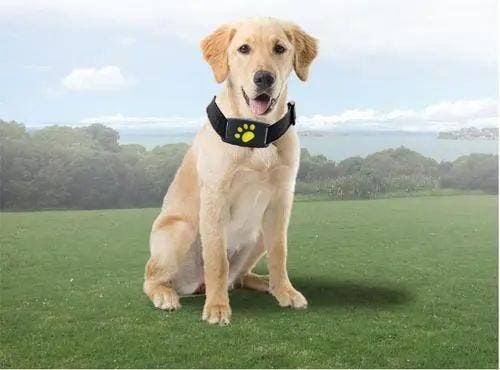
Pet wearables are connected or electronic devices designed to be worn by pets. They typically attach to a collar, harness, or body and can collect or transmit information.
Common examples include:
- GPS pet trackers
- Smart pet collars
- Activity monitors
- Fitness trackers
- Location trackers
- Health-monitoring wearables
- Electronic training devices
- Connected pet accessories
Some devices focus on location tracking, while others provide activity information or additional smart features.
The right device depends on your pet's size, lifestyle, environment, and your primary reason for using the technology.
Why Are Pet Wearables Becoming Popular?
Several trends have contributed to growing interest in connected pet products.
Pet Safety
A GPS tracker can provide additional location information if a dog or cat wanders away.
Activity Monitoring
Activity-focused wearables can help owners understand how active their pets are throughout the day.
Connected Pet Care
Smart devices can give owners access to information through a smartphone application or online account.
Growing Pet Technology Market
Pet owners increasingly have access to technology designed specifically for everyday pet care.
As connected devices become more accessible, wearables are becoming another tool owners can use alongside traditional identification methods and responsible supervision.
1. GPS Pet Trackers
GPS trackers are among the most recognizable pet wearables.
They are primarily designed to help owners determine a pet's location.
Depending on the device and service, features may include:
- Real-time or near-real-time location updates
- Location history
- Geofencing
- Smartphone notifications
- Multiple tracking modes
- Battery monitoring
- Activity information
Who Should Consider a GPS Pet Tracker?
They can be particularly useful for pets that:
- Spend time outdoors
- Travel frequently
- Live in areas with open spaces
- Have a tendency to wander
- Accompany owners on hikes or trips
GPS tracking should not replace a physical identification tag or a microchip where appropriate. It should be viewed as an additional safety tool.
2. Smart Pet Collars
Smart collars can combine traditional collar functionality with technology.
Depending on the product, a smart collar may include:
- GPS tracking
- Activity monitoring
- Location alerts
- Health-related measurements
- Smartphone connectivity
- LED visibility features
- Identification information
When choosing a smart collar, make sure the device is appropriate for your pet's size and does not interfere with normal movement, eating, sleeping, or play.
3. Pet Activity Trackers
Activity trackers focus primarily on movement and activity patterns.
They may record information such as:
- Daily movement
- Rest periods
- Activity duration
- Exercise patterns
- Sleep-related behavior
These features can help owners identify changes in routine.
However, activity data should be interpreted carefully. A wearable is not a substitute for professional veterinary assessment when an animal shows concerning symptoms or behavioral changes.
4. Pet Health Monitoring Wearables
Some advanced pet wearables are designed to provide additional information related to an animal's daily behavior or physiological measurements.
Depending on the technology, these devices may track certain metrics associated with:
- Activity
- Rest
- Behavior
- Temperature
- Movement
- Other device-specific measurements
The available features vary significantly by product.
Before purchasing a device marketed as a health-monitoring product, carefully review what it actually measures and how the manufacturer describes its intended use.
Pet Wearables Are Not a Replacement for Veterinary Care
This is an important distinction.
A wearable can provide useful information, but consumer technology should not be treated as a diagnostic tool unless the product has appropriate medical authorization for the specific use.
If your pet experiences a significant change in behavior, appetite, movement, breathing, or other concerning symptoms, consult a qualified veterinarian.
5. Smart Pet Trackers for Outdoor Adventures
For owners who regularly hike, camp, travel, or explore outdoor environments with their dogs, wearable tracking technology can provide an additional layer of awareness.
When evaluating an outdoor tracker, consider:
- GPS performance
- Cellular coverage requirements
- Battery life
- Water resistance
- Device durability
- Weight
- Attachment method
- Mobile application
- Subscription requirements
A device that performs well in an urban environment may not provide the same experience in remote areas with limited connectivity.
Key Features to Look For
Not every pet wearable offers the same functionality.
Here are the most important features to compare.
GPS Accuracy
If location tracking is your main objective, investigate how the device determines location and how frequently it updates.
A tracker is only useful if its location information is sufficiently reliable for your intended environment.
Battery Life
Battery performance can range from short intervals to multiple days or longer depending on the device, tracking frequency, network technology, and usage.
Consider your routine.
A frequent traveler may prioritize long battery life, while an owner who charges the device regularly may prioritize other features.
Geofencing
Geofencing allows owners to establish a virtual area.
If the pet leaves the designated zone, the system may send an alert.
This can be useful for homes with yards or properties where owners want notifications when a pet moves beyond a predefined boundary.
Water Resistance
Dogs and cats can encounter water unexpectedly.
If your pet swims, plays outdoors in wet conditions, or spends time around water, check the manufacturer's stated water-resistance rating before purchasing.
Do not assume that every wearable is waterproof.
Size and Weight
A wearable should be appropriate for the animal.
A device that is comfortable for a large dog may be unsuitable for a small dog or cat.
Consider:
- Device weight
- Collar width
- Attachment method
- Overall size
- Comfort during sleep
- Comfort during exercise
Cellular Connectivity
Some GPS trackers rely on cellular networks to transmit location information.
This can mean that the device requires:
- A cellular connection
- A compatible network
- A subscription plan
Check coverage in the areas where you expect to use the tracker.
Smartphone App
The companion app is an important part of the overall experience.
Look for:
- Easy setup
- Clear location displays
- Reliable notifications
- Battery information
- Activity history
- Multiple-pet support
- Simple account management
A sophisticated wearable can still be frustrating if its software is difficult to use.
Subscription Fees: What Buyers Should Know
One of the most important differences between pet wearables is the pricing model.
Some devices require an ongoing subscription for cellular connectivity, cloud storage, premium tracking features, or other services.
Before purchasing, calculate the total cost of ownership.
Consider:
Initial device price + subscription fees + accessories + replacement costs
A device that appears inexpensive initially may cost more over several years if it requires a recurring service plan.
How Much Do Pet Wearables Cost?
Prices vary considerably depending on the technology.
Basic activity devices may cost less than advanced GPS trackers with cellular connectivity and subscription services.
Premium products can cost substantially more because they may combine:
- GPS tracking
- Activity monitoring
- Advanced software
- Longer battery life
- Multiple connectivity options
- Premium accessories
Instead of choosing solely based on price, identify the features you actually need.
Pet Wearables for Dogs vs. Cats
The ideal wearable can differ depending on the animal.
For Dogs
Dogs often spend more time outdoors, making GPS tracking, activity monitoring, and durable construction particularly useful.
Consider:
- Collar compatibility
- Water resistance
- Outdoor durability
- Battery life
- GPS performance
- Weight
For Cats
Cats may require smaller, lighter devices.
Important considerations include:
- Lightweight construction
- Breakaway collar compatibility
- Compact design
- Comfortable attachment
- Outdoor tracking capability
For cats, safety and comfort should be prioritized over adding unnecessary features.
How to Choose a Pet Wearable
Start by identifying your main objective.
If Safety Is Your Priority
Look for:
- GPS tracking
- Location alerts
- Geofencing
- Reliable connectivity
- Good battery life
If Activity Monitoring Is Your Priority
Look for:
- Activity tracking
- Rest monitoring
- Historical data
- Easy-to-understand reports
If You Travel With Your Pet
Prioritize:
- Battery life
- GPS functionality
- Durability
- Water resistance
- Network coverage
If You Want Smart Features
Look for:
- Mobile applications
- Notifications
- Multiple-pet support
- Data history
- Connected services
Pet Wearable Buying Checklist
Before purchasing, compare:
Device size
Device weight
GPS functionality
Battery life
Charging method
Water resistance
Cellular coverage
Subscription requirements
Smartphone compatibility
App features
Geofencing
Activity tracking
Collar compatibility
Warranty
Return policy
Long-term ownership cost
Common Pet Wearable Mistakes
Choosing Based Only on Price
The cheapest product may not provide the connectivity or battery performance you actually need.
Ignoring Subscription Costs
Always calculate recurring fees before making a purchase.
Buying the Wrong Size
A device should fit comfortably without restricting your pet.
Assuming Every GPS Tracker Works Everywhere
Connectivity can vary depending on cellular coverage and geographic conditions.
Forgetting to Charge the Device
A tracker with an empty battery cannot provide useful location information.
Relying on Technology Alone
Wearables should supplement responsible supervision, physical identification, and appropriate pet care.
How to Get the Most From a Pet Wearable
Once you purchase a device, spend some time configuring it correctly.
Complete the Setup
Enter accurate pet information and configure the device according to the manufacturer's instructions.
Establish Alerts
If the product supports geofencing or other notifications, configure them based on your normal routine.
Test the Device
Before relying on the wearable during a trip or outdoor adventure, test its tracking and notification features.
Monitor Battery Levels
Develop a regular charging routine.
Keep Software Updated
App and firmware updates may introduce improvements or important fixes.
Check the Collar Regularly
Inspect the attachment and collar for wear or damage.
Pet Wearables and Privacy
Connected pet devices can generate information about locations, routines, and activity.
Before purchasing, review the manufacturer's privacy policy and understand:
- What information is collected
- How data is stored
- Whether information is shared
- How accounts are protected
- How location information is handled
- How long data is retained
This is especially important for GPS-enabled devices because location data can reveal patterns about where both pets and owners spend time.
The Future of Pet Wearables
Pet technology continues to evolve.
Future products may place greater emphasis on:
- More efficient battery systems
- Improved location accuracy
- Smaller hardware
- More advanced activity analysis
- Better mobile applications
- Expanded connectivity
- More personalized insights
- Integration with broader smart-home ecosystems
However, consumers should distinguish between genuinely useful features and marketing claims.
The best wearable is not necessarily the one with the longest feature list. It is the device that reliably solves a specific problem for you and your pet.
Final Thoughts
Pet wearables have become useful tools for modern pet owners, offering capabilities ranging from GPS pet tracking and geofencing to activity monitoring and connected pet care.
Before buying, determine what you actually need. If your primary concern is safety, prioritize reliable location tracking and battery performance. If you want activity information, focus on useful monitoring features and an easy-to-understand app.
Always consider device size, comfort, durability, connectivity, subscription fees, privacy, and long-term costs.
Most importantly, remember that technology should complement responsible pet ownership rather than replace it.
With careful research, the right pet wearable device can provide useful information and an additional layer of confidence while you and your pet go about your daily lives.