How to Choose Industrial Cleaning Chemicals: Expert Insights & Practical Suggestions
Industrial cleaning chemicals are formulated to remove oils, grease, dirt, deposits, residues, microorganisms, and other contaminants from equipment, floors, production areas, tanks, pipelines, and processing surfaces.
They are used across manufacturing, food processing, automotive production, chemical plants, warehouses, energy facilities, and other industrial environments.
Industrial cleaning solutions developed as industries needed more consistent ways to maintain machinery and production areas. Ordinary household cleaners may not be suitable for heavy industrial contamination because industrial equipment can be exposed to oils, metal particles, carbon deposits, mineral scale, and other difficult residues.
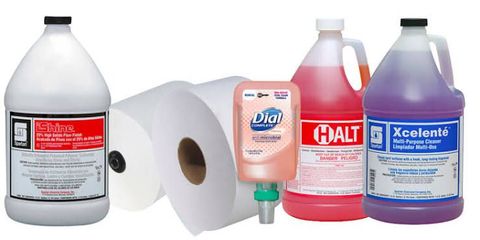
Today, industrial chemical cleaners cover a wide range of applications. These include industrial degreasers for oil and grease, heavy duty cleaning chemicals for demanding environments, industrial degreasing chemicals for machinery, and industrial sanitation chemicals for areas where hygiene is important.
The correct chemical depends on several factors, including the type of contamination, surface material, cleaning method, temperature, concentration, contact time, and wastewater requirements. Selecting a chemical based only on its strength can create problems such as surface damage, excessive residue, worker exposure, or difficult wastewater treatment.
Importance
Industrial cleaning affects equipment performance, workplace hygiene, production reliability, and environmental management. Accumulated grease, dust, scale, and residues can interfere with equipment operation and make routine maintenance more difficult.
Factory cleaning chemicals are therefore used as part of broader industrial maintenance programs. Regular cleaning can help keep production areas orderly and reduce the accumulation of contaminants that may interfere with inspection or maintenance activities.
Different industries also have different requirements. Food processors may need food grade cleaning chemicals, while pharmaceutical and beverage facilities may use specialized CIP cleaning chemicals for cleaning internal surfaces of processing equipment without extensive dismantling.
Important selection factors include:
- Contamination type: Identify whether the material is grease, oil, scale, carbon, protein, dust, or biological residue.
- Surface compatibility: Check whether the chemical is suitable for stainless steel, aluminum, plastics, rubber, painted surfaces, or other materials.
- Cleaning method: Consider manual cleaning, spray systems, pressure washing, immersion, foam cleaning, or clean-in-place systems.
- Concentration: Follow the manufacturer's specified dilution range rather than assuming a stronger mixture is more effective.
- Temperature: Some formulations work differently at ambient or elevated temperatures.
- Rinsing requirements: Determine whether the chemical leaves residues that require additional rinsing.
- Worker safety: Review hazard information, protective equipment requirements, ventilation needs, and handling procedures.
- Wastewater considerations: Assess how the cleaning solution may affect wastewater treatment and discharge requirements.
Industrial cleaning products should also be evaluated according to their intended application. An alkaline cleaner designed for grease may not be appropriate for mineral scale, while an acidic formulation used for scale may damage materials that are sensitive to low pH.
Recent Updates
From 2024 through 2026, industrial cleaning practices have continued moving toward more controlled chemical use, improved workplace safety, lower environmental impact, and greater process efficiency. Industrial chemical suppliers and industrial chemical distributors increasingly provide formulations designed for specific applications rather than relying on one general-purpose cleaner for multiple tasks.
There is also greater attention to concentrated formulations. Concentrates can reduce the amount of material transported and stored, although they require accurate dilution and appropriate handling. Automated dosing systems are increasingly relevant where consistent chemical concentration is important.
Another developing area is the use of industrial hygiene solutions alongside cleaning programs. Cleaning is not limited to removing visible dirt; facilities may also monitor sanitation procedures, contamination risks, chemical exposure, and cleaning effectiveness.
Water management has also become more significant. Facilities are examining cleaning processes that use less water or make rinsing easier while maintaining the required cleaning standard. This is particularly relevant for large manufacturing operations where cleaning activities generate substantial wastewater.
Industrial cleaning chemical manufacturers are also paying attention to formulations with lower environmental burdens and improved biodegradability where appropriate. However, environmental performance varies by formulation, so product documentation and regulatory information should be reviewed rather than relying on general descriptions.
Specialized applications continue to expand. Examples include boiler cleaning chemicals for removing deposits in boiler systems and cooling tower treatment chemicals for managing deposits, corrosion, and microbial growth. These applications require careful technical control because incorrect chemical treatment can affect equipment materials and water chemistry.
OEM cleaning chemicals are another category used when equipment manufacturers specify particular cleaning requirements. Following equipment documentation can help avoid chemicals or methods that may interfere with seals, coatings, sensors, or other components.
Laws or Policies
In India, industrial chemical handling is influenced by workplace safety, environmental protection, hazardous chemical management, waste management, and pollution-control requirements. Facilities need to consider applicable central and state rules as well as requirements established by local pollution-control authorities.
The Environment (Protection) Act and associated rules provide a broad framework for environmental protection and management of substances that may create environmental risks. Facilities handling hazardous chemicals may also have additional obligations concerning storage, labeling, emergency procedures, and worker protection.
The Occupational Safety, Health and Working Conditions Code provides a broader framework concerning workplace health and safety. Requirements applicable to a particular facility can depend on the industry, processes, workforce, chemical quantities, and state-level implementation.
Wastewater is another important consideration. Cleaning chemicals can change pH, chemical oxygen demand, biological oxygen demand, dissolved solids, and other wastewater characteristics. Industrial facilities therefore need to manage cleaning effluent according to applicable discharge and treatment requirements.
Chemical labels and safety documentation are important practical resources. Safety Data Sheets generally describe hazards, handling precautions, storage conditions, first-aid measures, spill response, and disposal considerations. Workers should have access to relevant documentation and receive appropriate handling instructions.
Because regulations can differ according to the facility and application, organizations should verify current requirements with the appropriate regulatory authorities and qualified environmental or safety professionals.
Tools and Resources
Several resources can make the selection process easier. A chemical compatibility chart can help compare a formulation with materials such as stainless steel, aluminum, rubber, plastics, and coatings.
A dilution calculator is useful when preparing concentrated cleaning chemicals. For example, the required amount of concentrate depends on the desired concentration and final solution volume. Measurements should follow the manufacturer's instructions and applicable workplace procedures.
A cleaning checklist can document important variables such as:
- Chemical name and concentration
- Cleaning temperature
- Contact time
- Cleaning method
- Surface or equipment being cleaned
- Rinsing procedure
- Required protective equipment
- Inspection results
Safety Data Sheets are among the most important resources for industrial chemical cleaners. They provide information that should be reviewed before handling, storing, transporting, or disposing of a chemical.
Facilities can also maintain chemical inventories to track storage quantities, usage patterns, expiration information where applicable, and documentation. Procurement teams comparing industrial cleaning chemicals price information can evaluate the total operating requirement rather than looking only at the container price. Dilution ratio, required dosage, water consumption, waste treatment, storage, and handling requirements can all affect the overall economic impact.
For large facilities, industrial cleaning chemical manufacturers and industrial chemical suppliers may provide technical documentation covering dilution, application methods, compatibility, and storage. These documents should be evaluated alongside internal safety and environmental requirements.
Bulk industrial cleaning chemicals may be appropriate for facilities with consistent, high-volume cleaning requirements, while smaller quantities may be more practical for intermittent applications. Industrial chemical distributors can provide access to different formulations, packaging sizes, and application categories.
Turnkey industrial cleaning solutions may combine chemical selection, dosing equipment, cleaning procedures, and monitoring. Such arrangements should still be evaluated according to the specific equipment, process requirements, safety controls, and regulatory obligations.
FAQs
What are industrial cleaning chemicals used for?
Industrial cleaning chemicals are used to remove contaminants such as grease, oil, scale, dirt, residues, and microorganisms from industrial equipment, floors, tanks, pipelines, and processing areas. The appropriate formulation depends on the contaminant and surface.
How do I choose industrial degreasers?
Choose industrial degreasers according to the type of oil or grease, surface material, cleaning temperature, application method, required contact time, and rinsing requirements. Safety and wastewater considerations should also be reviewed.
What are food grade cleaning chemicals?
Food grade cleaning chemicals are formulations intended for cleaning equipment and surfaces associated with food processing. Their suitability depends on the specific application, regulatory requirements, formulation, and required rinsing procedures.
What are CIP cleaning chemicals?
CIP cleaning chemicals are used in clean-in-place systems that circulate cleaning solutions through equipment, tanks, pipelines, and processing systems. Typical programs may use different chemical stages for removing organic residues, mineral deposits, and other contaminants.
What should I check before purchasing industrial cleaning chemicals?
Review the chemical's intended application, surface compatibility, concentration, safety information, storage requirements, wastewater implications, and supplier documentation. The chemical should be appropriate for the specific cleaning process rather than selected solely on strength or container size.
Conclusion
Selecting industrial cleaning chemicals requires consideration of contamination, surface compatibility, cleaning conditions, worker safety, wastewater management, and regulatory requirements. Industrial cleaning solutions range from general-purpose cleaners and industrial degreasers to specialized formulations for food processing, boilers, cooling systems, and CIP operations. Current industry practices increasingly emphasize controlled dosing, resource efficiency, workplace safety, and environmental considerations. Careful review of technical documentation and site-specific requirements helps establish an appropriate cleaning approach.